
Home » Security Bloggers Network » Effective risk management and controls remediation planning

Effective risk management and controls remediation planning

Organizations face an increasingly complex landscape of risks in a business environment. From cybersecurity threats to regulatory challenges, the need for robust risk management and effective controls remediation has never been more critical. This article explores the vital process of control remediation planning, offering a strategic roadmap for mitigating risks, enhancing compliance, and safeguarding organizational success.
The rise of risk management
Risk management is no longer a reactive practice for organizations—it has evolved into a strategic pillar of business operations. As businesses expand their digital footprints and deal with global regulations, the necessity for precise control remediation grows. According to a 2024 report by PwC, over 80% of executives acknowledge that failure to manage risks effectively can directly harm their business growth. This emphasizes that proactive remediation and robust risk management strategies are integral to organizational sustainability.
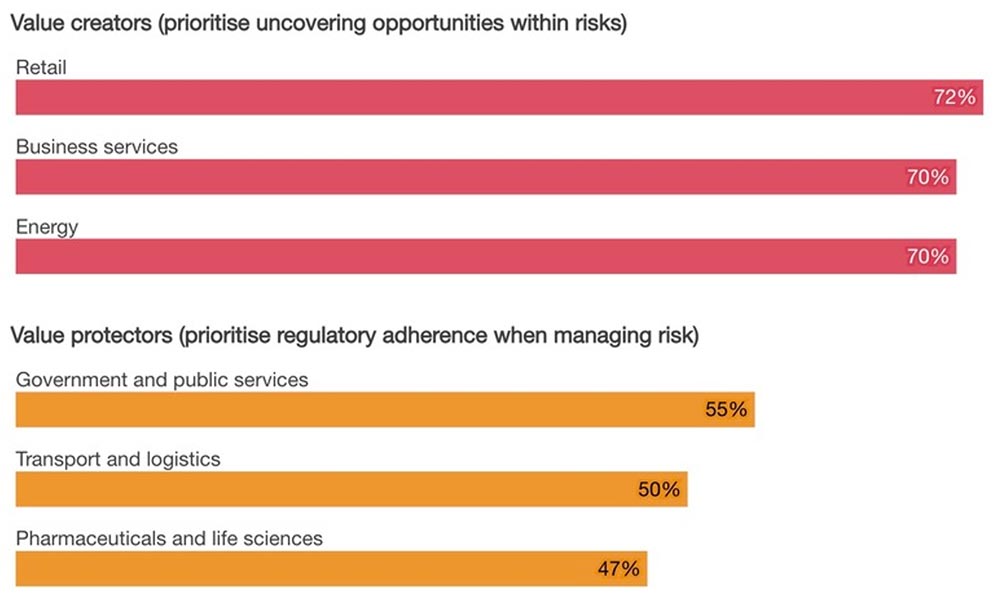
Source: PwC Global Risk Report 2023
Step-by-step guide to control remediation planning
Control remediation refers to the systematic process of addressing vulnerabilities or deficiencies in an organization’s internal controls. Whether due to audits, regulatory changes, or internal assessments, businesses need a solid remediation strategy. The following is a high-level breakdown of the control remediation planning process.
- Identify and Assess Risks
The first step in remediation is to identify risks and assess their potential impact on the organization. This involves a comprehensive risk assessment, considering the likelihood of each risk and the extent of its possible consequences. For instance, if a cybersecurity risk is identified, the impact assessment would determine the financial, reputational, and operational damage it could cause. - Map Existing Controls
Next, businesses must map out their existing controls to understand what is already in place. This allows for a clear view of gaps between the current control environment and desired standards. A thorough review of the controls—ranging from IT security measures to compliance frameworks—will highlight the areas that need attention. - Define Remediation Objectives
Once risks and gaps are identified, the organization must define specific remediation objectives. These goals should align with the business’s overall strategy while ensuring compliance with industry regulations. The objectives may vary from strengthening cybersecurity protocols to updating financial controls. - Develop a Remediation Plan
With defined objectives, the next step is to develop a remediation plan. This should include timelines, resources, and personnel responsibilities. A well-structured plan should also outline mitigation strategies for risks that are not immediately addressable, ensuring that there is a phased approach for addressing each issue. - Implement Remediation Actions
With a clear plan in place, the organization can begin implementing the necessary corrective actions. This may involve updating policies, installing new software, or providing staff with additional training. It is essential to ensure that all actions are tracked and aligned with remediation objectives. - Test and Validate Controls
After implementation, businesses need to test and validate the newly implemented controls. This helps verify that they are functioning as intended and mitigating the identified risks effectively. Conducting regular audits and testing ensures the resilience of controls. - Monitor and Review
The final step is to continuously monitor and review the effectiveness of controls. Remediation should not be viewed as a one-time task but as an ongoing process. Regular reviews enable businesses to adjust their strategies as new risks emerge and compliance requirements change.
Why control remediation matters
Failing to implement an effective controls remediation strategy can result in significant consequences. Research from the National Institute of Standards and Technology (NIST) highlights that organizations that neglect proactive risk management experience up to 40% higher financial losses due to unaddressed security vulnerabilities. Moreover, non-compliance with regulatory standards can lead to penalties, fines, and loss of customer trust.
Cost of ineffective remediation
The cost of ineffective remediation is not limited to financial losses. A lack of control remediation often leads to reputational damage, loss of market share, and even lawsuits. For instance, the 2020 Capital One breach, which impacted 100 million customers, resulted from inadequately remediated security controls and cost the company $80 million in fines and remediation efforts. Such breaches highlight the urgency of implementing a sound controls remediation plan.
Industry insights on control remediation
A recent report by Deloitte underscores the growing importance of technology in enhancing risk management and control remediation efforts. The report indicates that 65% of organizations are leveraging automation tools for real-time monitoring and remediation of controls. Automation not only streamlines the process but also reduces human error and enhances overall accuracy.

Source: Deloitte’s 2024 Global Risk Management Survey
Benefits of automation in controls remediation
The role of automation in control remediation cannot be overstated. By integrating AI and machine learning, organizations can now detect anomalies and vulnerabilities in real-time, enabling quicker responses and reducing the time needed to implement corrective actions. This leads to improved accuracy, enhanced compliance, and cost savings in the long term.
The role of technology in modern risk management
As businesses move further into the digital age, technology has become an indispensable tool in risk management. Automated platforms that integrate with cloud-based environments and offer real-time data analytics have revolutionized the way organizations handle control remediation.
According to a report by Gartner, over 40% of enterprises are using automated risk management platforms in 2024, with projections showing a significant increase in the next five years. These platforms provide advanced reporting features, real-time dashboards, and compliance tracking that help businesses stay ahead of emerging risks.
Source: Gartner’s 2024 IT Risk Management Report
A holistic approach to risk and control remediation
A successful control remediation strategy requires a holistic approach, encompassing not just technology but also a strong governance framework, skilled personnel, and continuous improvement. It is essential for companies to foster a risk-aware culture across the organization, ensuring that all stakeholders understand their role in risk management.
Moreover, regular collaboration between risk management teams, compliance officers, and IT security professionals is key to aligning remediation efforts with the organization’s long-term objectives.
Navigating the future of risk management
As the risk landscape becomes more complex, businesses must adopt a proactive and systematic approach to control remediation. This requires a well-defined strategy, integration of cutting-edge technology, and continuous monitoring. With the right approach, companies can safeguard their operations, enhance compliance, and build long-term resilience against emerging threats.
By recognizing the criticality of control remediation and leveraging data-driven insights, businesses can not only minimize risks but also position themselves for sustainable growth in a volatile environment.
The post Effective risk management and controls remediation planning first appeared on TrustCloud.
*** This is a Security Bloggers Network syndicated blog from TrustCloud authored by Richa Tiwari. Read the original post at: https://www.trustcloud.ai/risk-management/effective-risk-management-and-controls-remediation-planning/
