

How to Stop Online Gambling Fraud from Eating Into Your Profits

The post How to Stop Online Gambling Fraud from Eating Into Your Profits appeared first on Blog – Datadome.
The online gambling industry is booming. Its revenue is expected to grow from $97.16 billion in 2024 to $132.90 billion in 2029. This growth is exciting, but it has also attracted fraudsters looking to exploit vulnerabilities and steal money from the industry through online gambling fraud.
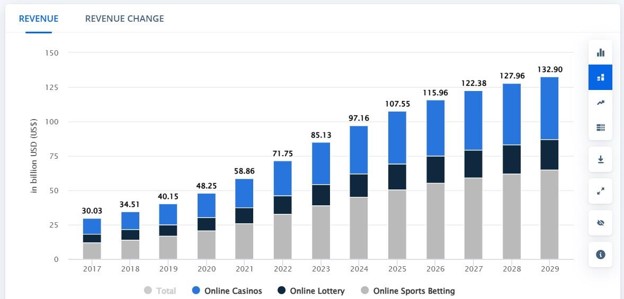
Statista
The stakes are already high. Online gambling fraud costs the industry about a billion a year. It hurts on an individual level too: Online casino fraud costs victims an average of $800 to $1,200.
These stats show the urgent need for strong fraud prevention in online gambling. But with the right tools and strategies, online gambling platforms can protect their revenues and reputations. They can ensure a fair gaming environment for genuine players.
What is Online Gambling Fraud?
Online gambling fraud encompasses a wide range of deceptive activities where fraudsters exploit both gambling platforms and players for financial gain. Their strategies can include identity theft, account takeovers, bonus abuse, credit card fraud, collusion, and the use of bots to gain unfair advantages.
Online gambling fraud touches every aspect of the industry, from player registration and deposits to gameplay and withdrawals. Fraudsters are always evolving their strategies. They use sophisticated technologies and social engineering to outsmart security measures.
The Impact of Fraud
Unchecked fraud in online gambling has far-reaching consequences. First, it harms operators. Fraud causes immediate financial losses. It also hurts their brand and players’ trust. The costs of investigating and mitigating fraud can quickly spiral, eating into their profit margins.
Genuine players suffer too. They play in an unfair gaming environment and might lose money to cheaters or have their accounts hacked. It erodes their confidence in online gambling to the point where they may quit the industry.
Online gambling fraud has industry-wide implications as well. It reduces trust in online gambling. It leads to increased regulatory scrutiny. It may slow industry growth. Platforms that don’t address fraud can lose their licenses and face penalties.
Why Are Online Gambling Platforms Vulnerable?
Digital Nature of Transactions
Online transactions are more anonymous than in-person transactions. Fraudsters can hide behind their screens. Although online platforms have become better at verifying user identities and digital transactions, it’s still harder to spot digital fraud than in-person fraud for brick-and-mortar operators.
Attractive Target for Fraudsters
The industry’s growth, high transaction volume, and quick profits make online gambling a prime target for cybercriminals. The 24/7 nature of online platforms provides constant opportunities for exploitation.
Technical Complexities
Online gambling platforms juggle many payment methods, currencies, and third-party services. Each additional system introduces potential vulnerabilities that fraudsters can exploit.
What Are the Common Types of Online Gambling Fraud?
Online gambling fraud can take many forms. But some fraud patterns and methods are especially common in the online gambling industry.
Identity-Related Fraud
Identity-related fraud forms the foundation of many online gambling scams. Fraudsters exploit flaws in identity verification to gain unauthorized access to accounts or create fake ones. This category of fraud often determines how fraud attempts begin.
For example, account takeover fraud happens when criminals gain access to player accounts. They often do this through phishing attacks, credential stuffing, or social engineering. Once in control, they can drain funds, abuse bonuses, or use the account’s good reputation for more fraud.
New account fraud is another type of identity theft. It involves creating accounts with stolen or fake identities. Fraudsters then exploit welcome bonuses, launder money, or commit other types of fraud to harm the platform and its honest players.
Financial Fraud
Financial fraud in online gambling directly targets monetary transactions. It exploits weak payment systems and policies. This category of fraud causes immediate financial losses, but it can also damage relationships with payment processors and increase operational costs.
Business credit card fraud is most common here, where stolen card information is used to fund gambling accounts. This often results in chargebacks, leaving operators to bear the financial burden. Chargeback fraud, while similar, happens when unscrupulous players dispute legitimate transactions after gambling. This is often an attempt to recoup losses or exploit the system for financial gain.
Bonus and Promotion Exploitation
Bonus and promotion exploitation targets the marketing efforts of online gambling platforms, turning strategies meant to attract and keep players into vulnerabilities. This type of fraud not only leads to financial losses but can also skew marketing metrics and effectiveness.
Multi-accounting is a common tactic in this category. Fraudsters create multiple accounts to exploit welcome bonuses and other promos intended for new players. This not only results in unearned payouts but can also mess up user acquisition data.
Arbitrage betting, while not explicitly fraudulent, often violates an operator’s terms of service. It exploits differences in odds across multiple platforms to guarantee profits. This undermines the intended dynamics of betting and can cause big losses for unprepared operators.
Technological Manipulation
Technological manipulation in online gambling fraud involves using advanced software and coordinated efforts to gain unfair advantages. This usually refers to the use of bots and scripts, who can play at superhuman levels and make faster, more consistent decisions than any human ever could.
Collusion, another form of technological manipulation, is when players team up in multiplayer games to cheat honest opponents. This is usually done through multiple devices or accounts, shared screens, and communication outside the game platform.
What are the Consequences of Unchecked Fraud on Online Gambling?
Unchecked fraud has a ripple effect. It can hurt every part of an operator’s business, from daily operations to long-term viability. Operators must understand these consequences. It is vital to grasp the threat and the need for strong fraud prevention.
Financial Implications
The most immediate result of online gambling fraud is its effect on an operator’s profits. Fraud can cause big losses. This eats into an operator’s margins and can even threaten the financial stability of smaller operators. These losses can come from stolen funds, fraudulently obtained bonuses, or successful arbitrage betting.
Reputational Damage
Player trust is the lifeblood of online gambling. Platforms known to be unsafe or unfair will struggle to attract and keep customers. Security breaches, game manipulation, and fraud can quickly damage a brand’s image in gambling communities and review sites. This loss of trust can cause many players to leave, which will hurt revenue and market position.
Regulatory and Legal Issues
Not preventing fraud can result in big fines and more scrutiny from regulators. In extreme cases, operators may lose their licenses to operate. The legal fallout can lead to lawsuits from affected players or shareholders. This will drain resources and damage the company’s reputation.
Operational Strain
Customer support teams can become overwhelmed dealing with fraud-related issues like investigating suspicious activities and handling complaints from affected players. This increased workload can slow response times and reduce service quality for all users, not just those harmed by fraud.
Implementing Effective Fraud Prevention Strategies
No strategy can eliminate all risks. But a mix of advanced tech and best practices can minimize vulnerabilities. Each strategy has its own pros and cons, and each requires careful thought and execution.
Advanced Identity Verification
Advanced identity verification is the first line of defense against many types of online gambling fraud, particularly account takeover and new account fraud. By rigorously verifying users’ identities, operators can boost platform security.
| PROS | CONS |
| Robust defense against account takeover and new account fraud. | Can introduce friction in the onboarding process. |
| Builds trust with legitimate players. | May require ongoing updates to keep pace with evolving fraud tactics. |
Continuous Account Monitoring
Continuous account monitoring lets operators detect and respond to suspicious activities in real-time. It’s a dynamic defense against fraud schemes that evolve as a player uses the platform.
| PROS | CONS |
| Allows for real-time detection of suspicious activities. | Resource-intensive to implement effectively. |
| Can help identify patterns of fraud across multiple accounts. | May generate false positives that require manual review. |
Sophisticated Transaction Analysis
Online transaction fraud detection is important because it lets operators check the flow of money on their platforms so they can spot illegal activities.
| PROS | CONS |
| Can catch complex fraud schemes that span multiple transactions. | Requires significant data processing capabilities. |
| Helps identify money laundering attempts. | May slow down transaction speeds if not optimized. |
Collaborative Industry Efforts
Fraud prevention in online gambling is not just a single operator’s responsibility. With collective action, the entire industry can create a united front against fraudsters.
| PROS | CONS |
| Allows for sharing of fraud intelligence across platforms. | Requires careful data sharing protocols to protect user privacy. |
| Creates a united front against large-scale fraud operations. | May face resistance from platforms wary of sharing information with competitors. |
Cutting-Edge Tools for Online Gambling Site’s Fraud Prevention
As fraudsters get more sophisticated, online gambling operators must use advanced tech to stay ahead.
AI-Powered Fraud Detection: Machine learning algorithms excel at recognizing complex patterns at scale. These systems can adapt to new fraud tactics in real-time by learning from new data. Predictive analytics take this a step further, anticipating potential fraud before it occurs.
Device Intelligence: Advanced fingerprinting can identify suspicious devices. This is true even when fraudsters try to hide their identities. The ability to detect emulators and virtual machines is crucial in combating automated fraud attempts.
Behavioral Analytics: It analyzes users’ nuanced interactions with the platform, from mouse movements to betting patterns. It can then tell genuine players from fraudsters or bots. This technology is particularly effective for new account fraud prevention.
Location Intelligence: Geolocation verification adds an extra layer of security, ensuring users are gambling from permitted jurisdictions. Systems can detect attempts to spoof locations. This is critical for fraud prevention and regulatory compliance.
Case Study: Leading Gaming Website Boosts Conversions
A digital gaming website faced fraud from bot-driven DDoS attacks that caused slowdowns and service disruptions. There were also credential stuffing attacks on their user registration form. Their reCAPTCHA solution had too many false positives. It hurt user experience and conversion rates.
The company contacted DataDome. Its ease of integration, excellent service, and custom rules for managing partner access made it the best choice. After they used DataDome’s bot protection, the company was safe from DDoS attacks. They fixed their false positives. They improved conversion rates. And they increased their website’s speed and uptime.
It’s the right traffic that’s being blocked. Real customers aren’t getting any kind of occlusion, and our conversions increased.
– Head of Product Delivery
Related: anti bot gaming security
The Evolving Landscape of Online Gambling Fraud Prevention
As the industry evolves, so too must its approach to fraud prevention. Staying ahead of sophisticated fraudsters requires a proactive stance, embracing emerging technologies and adapting to regulatory changes.
The rapid advancement of technology is a double-edged sword. It gives fraudsters new tools and tactics. But it also gives operators powerful new anti-fraud weapons. For example, blockchain technology can enable transparent, immutable transactions. Advanced biometrics can make it very hard for fraudsters to impersonate someone.
Also, governments worldwide are noticing online gambling fraud. New regulations aim to hold operators accountable and protect consumers. Many jurisdictions are introducing stricter KYC and AML rules for online gambling operators.
There’s also a growing emphasis on responsible gambling initiatives. Regulators expect operators to use their fraud prevention tech to support these efforts.
Key Takeaways
The battle against online gambling fraud is ongoing. But operators with advanced anti-fraud tools can protect their revenues and reputations. By implementing comprehensive, multi-layered fraud prevention strategies, platforms can:
- Minimize financial losses from fraud
- Build and maintain player trust through demonstrable security measures
- Stay ahead of regulatory requirements and avoid costly penalties
- Improve operational efficiency by reducing the strain on support teams
The online gambling market could grow a lot. But it needs strong security to achieve this. Operators must invest in advanced fraud prevention tech that must be both secure and user-friendly.
As the industry continues to evolve, so too will the tactics of fraudsters. Online gambling sites with smart, adaptive fraud prevention will thrive in this changing landscape. The time to act is now. Comprehensive fraud prevention is vital. It’s not just about your profits. It’s about securing the future of online gambling.
Online Gambling Fraud FAQs
-
-
To stop online gambling fraud, implement strong identity verification, AI-powered fraud detection, and continuous account monitoring. Use device intelligence and location verification. Analyze transactions for suspicious patterns. Collaborate with other operators to share intelligence. Regularly update security systems and educate staff and players about fraud risk. Combine these strategies to reduce fraud while maintaining a positive user experience.
-
-
A common fraud in iGaming is bonus abuse. Fraudsters create multiple accounts using fake identities to exploit welcome bonuses and promotions. They use techniques like IP spoofing to appear unique, then strategically place bets to withdraw bonus funds as profit. This scam causes financial losses and skews marketing metrics. It harms smaller operators that offer generous promotions.
-
-
To report online gambling fraud, first contact the platform’s support. Provide detailed evidence. Escalate to the relevant gambling authority if needed. Report financial fraud to your bank immediately. File a complaint with local law enforcement and cybercrime units like the Internet Crime Complaint Center (IC3) in the US. Keep records of all communications and evidence for potential investigations.
*** This is a Security Bloggers Network syndicated blog from DataDome Blog – DataDome authored by DataDome. Read the original post at: https://datadome.co/bot-management-protection/online-fambling-fraud/
