

Why Passwordless Authentication Matters for External Vendor and Partner Access

Your business runs on relationships. Vendors, contractors, logistics partners, consultants. They all need access to your systems at some point.
And every single one of them represents a security risk.
I've seen companies with airtight internal security get breached because a vendor used "Company123" as their password. It happens more often than anyone wants to admit.
Passwordless authentication changes the game entirely. No passwords to steal. No credentials to phish. No sticky notes with login details stuck to monitors.
For organizations juggling dozens of external partnerships, this isn't some futuristic concept anymore. It's a practical solution that's available right now.
The Mess We're Currently Dealing With
Think about how many external people touch your systems on any given week.
Your accountant pulls financial reports. Your IT consultant remotes into servers. Your supply chain partners check inventory levels. Your marketing agency grabs analytics data.
Each one has a username and password. Each one represents a potential entry point for attackers.
The reality? Most of these folks are juggling passwords for dozens of different clients. They're not creating unique, complex passwords for each one. They're reusing the same handful of passwords across multiple systems.
Can you blame them? I can't.
But that doesn't make your data any safer.
Password Sharing Is Everywhere
Here's something that probably happens at your partner organizations all the time.
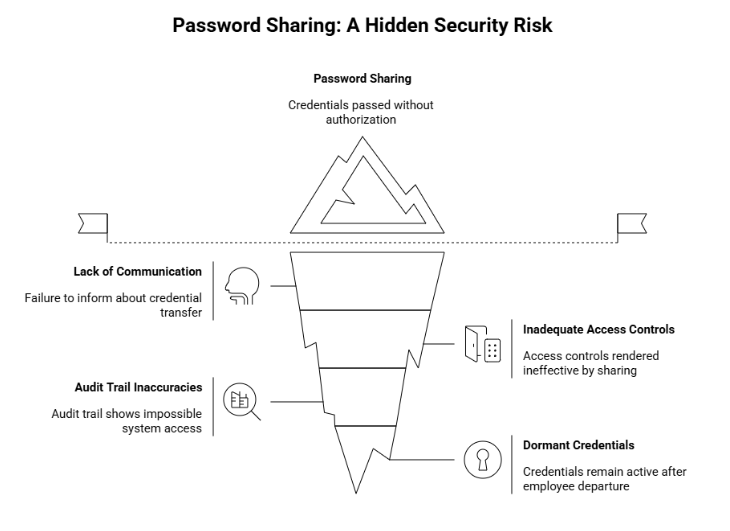
Sarah handles your account. Sarah goes on maternity leave. Sarah gives her login credentials to Mike so he can cover while she's gone.
Nobody tells you. Nobody requests a new account for Mike. The credentials just get passed along like a set of house keys.
Your audit trail now shows Sarah accessing systems while she's literally in a hospital. Your access controls mean nothing. And if Mike leaves that company six months later? Those credentials might still be floating around.
This isn't hypothetical. I've watched it happen repeatedly across different industries.
Why Adding More Password Rules Doesn't Fix Anything
The typical response to password problems is adding more requirements.
Minimum 12 characters. Must include uppercase, lowercase, numbers, and symbols. Can't reuse your last 10 passwords. Expires every 90 days.
You know what happens next.
People write passwords down. They use predictable patterns like "Summer2024!" followed by "Fall2024!" They call your help desk constantly because they're locked out.
And external partners? They hate you for it.
I've talked to vendors who actively avoid working with companies that have overly complex password requirements. It's a real factor in their business decisions.
Meanwhile, attackers have gotten sophisticated enough that even "strong" passwords offer limited protection. Credential stuffing, phishing attacks, and social engineering all bypass your carefully crafted password policies.
The External Vendor Problem Gets Complicated Fast
Managing internal employee credentials is hard enough. Managing external partner access adds layers of complexity that most organizations struggle with.
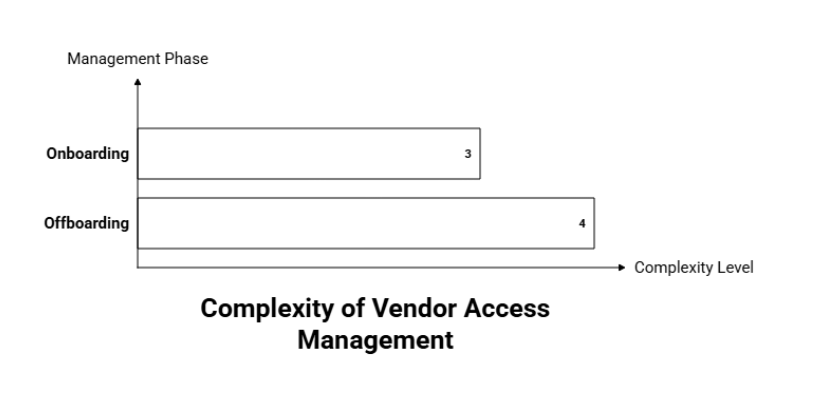
Onboarding takes forever. IT needs to create accounts, assign permissions, communicate credentials securely, and train users on your systems. For a single new vendor, this process might take days.
Offboarding is even worse. When a partnership ends, someone needs to remember every system that the vendor could access. Every account needs to be deactivated. Every permission needs to be revoked.
Miss one? That's an open door sitting there for months or years.
This becomes especially important when working with external vendors like third party EDI providers, where shared credentials can introduce serious security risks. Companies like Orderful handle sensitive transaction data flowing between multiple business partners, making authentication security absolutely critical at every connection point.
When electronic data interchange systems get compromised, the damage spreads across entire supply chains. One weak password can expose transaction records, pricing information, and business relationships across dozens of connected organizations.
What Passwordless Actually Means
Let me clear up some confusion I encounter regularly.
Passwordless doesn't mean "less secure." It means removing the weakest link in your security chain entirely.
Instead of asking users to remember a secret (that they'll probably forget, share, or reuse), passwordless systems verify identity through other means.
Biometric authentication uses fingerprints or facial recognition. Hardware security keys provide cryptographic verification through physical devices. Magic links send one time authentication tokens to verified email addresses.
None of these methods can be guessed. None of them can be written on sticky notes. None of them work if stolen because they're tied to specific individuals or devices.
The User Experience Actually Gets Better
Security improvements usually come with usability tradeoffs. Not this time.
Ask any external partner what they hate most about working with your systems. Password management will be near the top of the list.
Passwordless authentication eliminates that frustration entirely.
Your logistics partner doesn't need to remember another password. They tap their fingerprint or click a magic link, and they're in. Takes seconds instead of minutes.
No more password reset requests clogging your help desk. No more "forgot password" workflows. No more account lockouts because someone fat fingered their credentials three times.
Partners actually enjoy the authentication process. That might sound trivial, but positive experiences strengthen business relationships over time.
Making It Work With Your Partner Ecosystem
Rolling out passwordless authentication for external partners requires some planning. But it's not the massive undertaking you might expect.
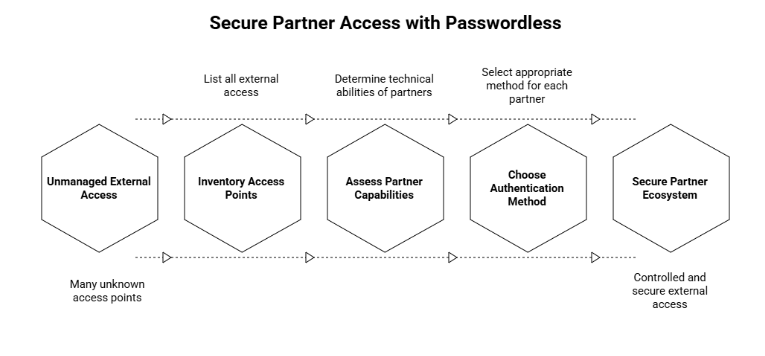
Start by listing every external access point. Who connects to what? How often? What data can they reach?
This inventory usually surprises people. Most organizations have more external access points than they realize.
Next, consider your partners' technical capabilities. Large enterprise partners can handle any authentication method. Smaller vendors might need simpler options.
Magic link authentication works well for partners with limited technical resources. They click a link in their email, and they're authenticated. No apps to install. No hardware to manage.
What About the Exceptions?
Every organization has edge cases. Partners with unique requirements. Legacy systems that don't support modern authentication. Users who push back against any change.
Plan for these situations upfront.
Maybe one vendor needs temporary password access while they upgrade their systems. Maybe another partner has security requirements that mandate hardware keys instead of biometrics.
Having flexible options prevents workarounds. And workarounds are where security breaks down.
Document your exceptions clearly. Review them regularly. The goal is handling special cases without undermining your overall security posture.
The Money Conversation
Security investments often struggle to get budget approval because the benefits feel abstract. Passwordless authentication offers concrete, measurable returns.
Help desk costs drop. Password reset calls and account lockout issues consume significant support resources. Eliminating passwords eliminates those tickets.
Onboarding accelerates. New partners get productive faster when there's no password provisioning process. IT teams redirect their time toward higher value work.
Breach risk decreases substantially. The average data breach costs millions. Removing password vulnerabilities for external access significantly reduces your exposure.
Partner satisfaction improves. Easier authentication makes your organization better to work with. That matters for retention and new business development.
Compliance Gets Easier
Regulatory requirements keep getting stricter around authentication and access management.
Most frameworks now require strong authentication for systems handling sensitive data. Passwordless methods typically exceed minimum requirements by a wide margin.
Audit trails become more reliable when authentication ties directly to individuals through biometrics or personal devices. No more ambiguity about who accessed what.
Future regulatory changes will likely push even harder toward passwordless standards. Early adoption positions you ahead of requirements rather than scrambling to comply.
The Zero Trust Connection
Passwordless authentication fits naturally into zero trust security models.
The basic principle of zero trust is "never trust, always verify." Traditional passwords provide a single verification event at login. After that, the system trusts the user throughout their session.
Passwordless methods enable continuous verification without disrupting user experience. Systems can reverify identity at critical moments. Biometric checks take seconds and don't interrupt workflow.
For external partner access, this approach makes particular sense. Partners connect from outside your network, using devices you don't control, accessing data you need to protect.
Zero trust plus passwordless gives you visibility and control without creating friction.
Industry Direction
The technology world is moving decisively toward passwordless standards.
FIDO2 and WebAuthn specifications provide interoperable frameworks that work across different systems and devices. Major platforms already support these standards.
Consumer applications have normalized passwordless experiences. Your partners use fingerprint authentication for their banking apps and facial recognition to unlock their phones.
They'll increasingly expect the same seamless experience when accessing your business systems. Organizations clinging to password based authentication will feel dated and frustrating by comparison.
Getting Started
You don't need a complete overhaul on day one.
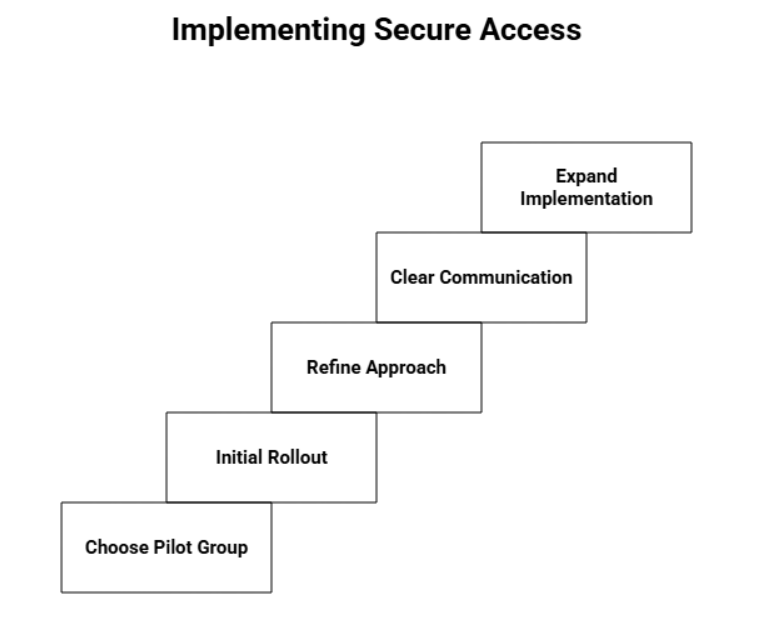
Pick a pilot group. Maybe start with your highest risk access points, or your most tech savvy partners, or a particular system that handles especially sensitive data.
Learn from that initial rollout. What questions do partners ask? Where do they get stuck? What documentation would help?
Use those insights to refine your approach before expanding.
Communicate clearly throughout the process. Partners need to understand what's changing and why. Make it easy for them to get help when needed.
The Path Forward
External partner access will only become more complex. Supply chains are getting longer. Business ecosystems are growing. The number of external connections your organization manages will keep increasing.
Traditional password based authentication can't scale with these demands. The security risks multiply. The administrative burden grows. The user experience deteriorates.
Passwordless authentication offers a better path.
Your security improves. Your partners are happier. Your IT team focuses on meaningful work instead of password resets. Your compliance position strengthens.
The technology is mature. The implementation is manageable. The benefits are measurable.
What are you waiting for?
*** This is a Security Bloggers Network syndicated blog from MojoAuth - Advanced Authentication & Identity Solutions authored by MojoAuth - Advanced Authentication & Identity Solutions. Read the original post at: https://mojoauth.com/blog/passwordless-authentication-for-vendors
