
Home » Security Bloggers Network » Fortifying defenses: The role of corrective controls in a resilient security posture

Fortifying defenses: The role of corrective controls in a resilient security posture

Organizations nowadays face sophisticated threats that demand not just preventative measures but a robust strategy for detection and correction. Corrective controls are pivotal in mitigating the impact of security breaches and ensuring operational resilience. This article explores the importance of corrective controls, industry insights, and actionable strategies to help organizations build an impregnable security framework.
The evolution of corrective controls in cybersecurity
Cybersecurity is no longer just about building walls; it’s about preparing for what happens when the walls are breached. Corrective controls, defined as measures implemented after a threat is detected, focus on addressing vulnerabilities, minimizing damage, and preventing recurrence. They act as the safety net, enabling organizations to recover swiftly from disruptions.
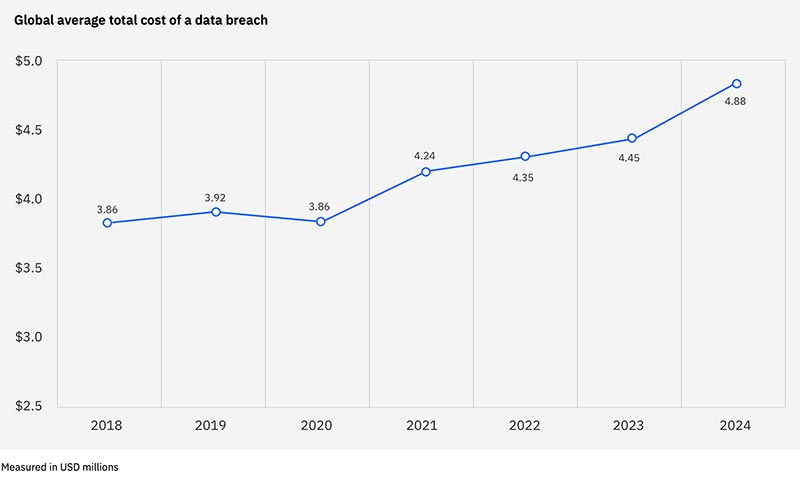
The recent surge in cyber incidents underscores the critical need for corrective strategies. According to the Cost of a Data Breach Report by Table.media, the average cost of a data breach has risen to $4.45 million, with response delays being a major factor in financial and reputational losses. This highlights the importance of having an effective corrective control framework in place.
Source: Table.media
Key components of corrective controls
- Incident response plans: Organizations must have comprehensive response plans to guide actions during a breach. These plans should include clear roles, communication protocols, and escalation paths.
- Patch management: Addressing vulnerabilities promptly through effective patching reduces the likelihood of exploitation. Automated patching tools can accelerate this process.
- Backup and recovery solutions: Maintaining regular data backups and ensuring rapid recovery capabilities are crucial for minimizing downtime and loss.
- Continuous improvement: Post-incident reviews allow organizations to analyze what went wrong and refine their security measures accordingly.
Industry insights: The cost of unpreparedness
A study by Gartner estimates that by 2025, 60% of organizations will suffer major service failures due to mismanagement of security incidents. Companies without robust corrective controls are likely to face prolonged disruptions and higher recovery costs.
The table below illustrates the average time to recover from various types of security breaches, based on data from the Ponemon Institute’s 2023 Cyber Resilience Report:
Type of Breach / Average Recovery Time (Days)
Ransomware attack / 23
Data exfiltration incident / 18
Insider threat / 11
Malware infection / 7
This data emphasizes the importance of swift corrective actions to minimize recovery times and reduce associated costs.
Implementing a resilient corrective control strategy
- Invest in automation: Automating corrective measures, such as incident response workflows and vulnerability management, can significantly reduce human error and response times.
- Leverage AI and machine learning: Predictive analytics can help identify patterns and potential threats, allowing organizations to take corrective actions proactively.
- Regular training and awareness: Employees play a crucial role in identifying and responding to threats. Regular training ensures they remain vigilant and aware of evolving risks.
- Third-party assessments: Engaging external experts to evaluate your corrective controls can provide unbiased insights and recommendations for improvement.
The business case for corrective controls
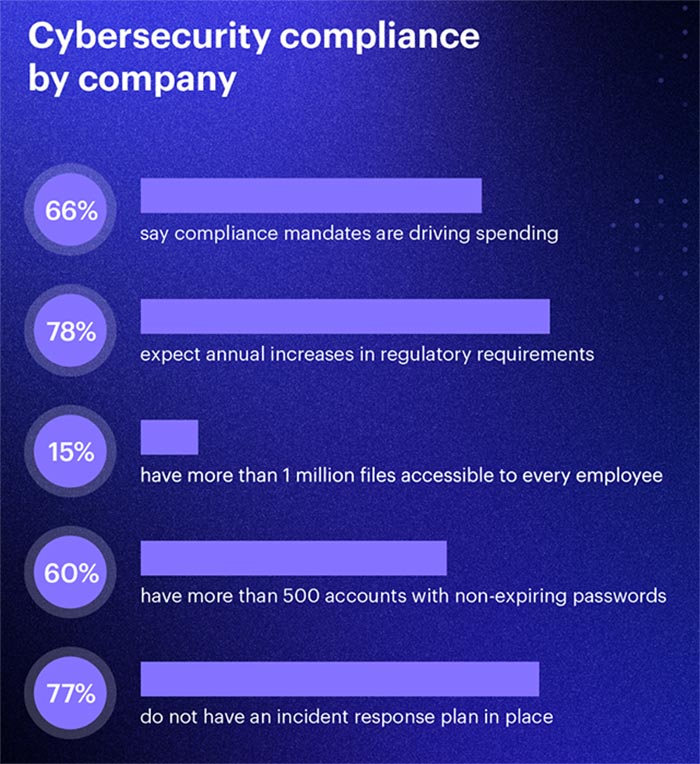
Investing in corrective controls is not merely a technical necessity but a strategic business decision. The potential financial and reputational damage from cyber incidents can be devastating. From the list of the most important stats and trends by Varonis, the average ransomware payout increased dramatically from $812,380 in 2022 to $1,542,333 in 2023.
Source: Varonis
Such costs, coupled with operational downtime and loss of customer trust, underscore the value of being prepared to respond effectively to incidents.
Building a culture of resilience
Security resilience is not just about technology; it’s about creating a culture that prioritizes proactive and reactive measures equally. Leadership must champion the importance of corrective controls and allocate resources to ensure their effectiveness.
PwC’s 2024 Global Digital Trust Insights Survey reveals that organizations investing in corrective measures alongside preventive controls report 30% fewer incidents and faster recovery times. This correlation underscores the value of a balanced approach to cybersecurity.
In an exponential growth in cyber threats, corrective controls are the linchpin of a resilient security posture. They enable organizations to bounce back from disruptions while minimizing long-term impacts. By prioritizing incident response, leveraging automation, and fostering a culture of continuous improvement, businesses can fortify their defenses and stay ahead of adversaries.
As technology leaders, our focus should not only be on preventing breaches but also on ensuring we are prepared to respond effectively when they occur. Corrective controls are not just a safety measure; they are a strategic investment in organizational resilience.
The post Fortifying defenses: The role of corrective controls in a resilient security posture first appeared on TrustCloud.
*** This is a Security Bloggers Network syndicated blog from TrustCloud authored by Richa Tiwari. Read the original post at: https://www.trustcloud.ai/grc/fortifying-defenses-the-role-of-corrective-controls-in-a-resilient-security-posture/
