
Home » Security Boulevard (Original) » Featured » What Is SSPM?

What Is SSPM?

What Is SaaS Security Posture Management?
Imagine a modern home entertainment system with a series of devices such as a television monitor equipped with every streaming service. There’s also a projector, cable television receiver, several video game systems, and surround sound speakers. Each device is controlled using its own individual remote.
But here’s the catch: there’s no standardization of button functionality for each remote. A triangle-shaped button could mean “play” on one device but “fast-forward” on another.
This time-consuming and energy-draining process is similar to how many organizations manage their on-average 50 to 100 sanctioned SaaS applications in use. The solution to this piecemeal, unsustainable process is a control center. Similar to how entertainment center owners often use a universal remote with standard button configurations, SaaS applications need a virtual command room where security teams can manage their complex SaaS estate securely and holistically. This requires a robust SaaS Security Posture Management (SSPM) solution.
SSPM and Its Key Capabilities
SaaS security posture is an overview of the security and vulnerability of an organization’s SaaS stack and data. Through features like threat detection and configuration management, an SSPM platform can securely manage an organization’s SaaS estate by identifying potential misconfigurations and vulnerabilities — and detecting security risks that may compromise sensitive data. By continuously monitoring your SaaS applications for risks, a SaaS Security Posture Management solution can mitigate potential security issues such as malware and phishing before they turn into significant and costly data breaches.
In 2022, Gartner ranked SSPM as highly beneficial and predicted SSPM would have a high impact during the next five to 10 years in its annual Application Security Hype Cycle. Companies are becoming more dependent on SaaS applications to function. With intricate SaaS configuration settings, security policies, and countless SaaS-to-SaaS connections, it’s increasingly difficult for internal teams to manage how these apps are used every day.
When evaluating SSPM providers, look for a complete SaaS security solution to provide comprehensive security to SaaS applications. A holistic and robust SSPM platform should have these five key capabilities:
- Configuration management
- Threat detection and activity monitoring
- SaaS-to-SaaS app management
- Identity and Access Management
- Governance, risk, and compliance
Configuration Management
Enterprise SaaS applications like Microsoft Office 365 are intricate, incorporate numerous security policies and settings, and can host multiple users from a company’s employers, contractors, and outside partners. These configurations can change thousands of times if an app is used frequently, which may lead to unintentional over-provisioned users or shifts from the set security baseline.
On top of constant changes by the customers, these SaaS applications receive frequent new feature updates for end-users, better functionalities, and security updates to ensure the smooth and safe delivery of services. A centralized SSPM manages these apps collectively and ensures the security features and settings are correctly optimized for each user, preventing configuration drifts that may create vulnerabilities and misconfigurations.
Configuration drift occurs when gradual changes are made to SaaS applications that render the apps inconsistent with an organization’s business intent. This can disrupt an organization’s established security standard and introduce security threats. If a SaaS Security Posture Management platform detects configuration drift, it’ll offer steps for remediation, enabling IT or security staff to access and change affected settings.
For example, employees (often without the knowledge of the security or IT teams) download, modify, and uninstall various apps frequently, making it difficult for teams to monitor or visualize the complete picture of their SaaS estate. This can lead to configuration drift and leave apps vulnerable to compromise.
Threat Detection & Activity Monitoring
Cybersecurity changes and evolves every minute because threat actors constantly adjust their attack strategies. To counter this, a robust SSPM solution will continuously monitor SaaS policy settings and permissions to detect suspicious activity. For example, repeated failed login attempts are probably not a threat, but rather an employee forgetting or mistyping a password. But repeated failed login attempts from unknown IP addresses or locations may suggest that an attacker is attempting to compromise a SaaS platform. In such cases, a SaaS Security Posture Management solution will provide guided and distributed remediation steps on how to address and mitigate these risks to reduce the chances of a cyberattack.
Guided remediation gives users full control while ensuring the SSPM remains securely connected to SaaS apps. Step-by-step assistance and intelligence are shared on handling a threat, and security teams can decide how they want to address the issue based on the suggested remediation steps provided by the SSPM. Distributed remediation allows for individuals to be assigned remediation tasks that lessen the burden of security team leadership.
Guided remediation provides a higher level of security compared to automated remediation. For remediation to be automated, the SSPM solution must be intricately embedded in the inner workings of SaaS apps, generally through granting read/write access. Giving an SSPM that much access to your inner mechanisms isn’t recommended and isn’t always conducive to a safe or smooth workflow as it may disrupt security best practices, such as least privilege access principles.
Identity and Access Management
Data security is paramount to any security stack’s infrastructure, and SaaS platforms are no exception. Keeping track of how data is created and shared can be a monumental task for a security team charged with constantly changing organizational security needs.
An SSPM solution consistently monitors data leakage gaps created through vulnerabilities such as expired or shared user credentials. These forgotten or improper credentials can lead to SaaS data breaches. A proper SSPM solution will offer customizable policies to alert teams of any publicly exposed data records in SaaS environments.
For example, an organization’s HR department hires summer interns to help manage multiple tasks in Workday. To simplify the year-to-year transition process, an HR employee creates a shared user credential named “summer-intern.” However, a former intern may still have the password and username on notes they’ve jotted down and taken with them. This potential breach exposes confidential personnel information and should be monitored or changed using SSPM.

SaaS-to-SaaS App Management
Customer relationship management (CRM) software, such as Salesforce, boasts thousands of third-party app integrations. These are designed to be simple installations that take a few seconds and don’t require technical expertise. But, employees will frequently install these apps and forget to remove them once they’re no longer needed leaving these inactive SaaS-to-SaaS connections with access to your data.
For example, when a marketing employee connects Salesforce to an email management platform like ActiveCampaign, the security team may not know the employee is using the app or what will happen when ActiveCampaign is no longer needed. This is a form of “shadow IT,” where a company’s security and IT teams don’t have the knowledge or control of all apps being used within a company. Instead, employees without security knowledge are deploying these programs, which can serve as entry points for security incidents. Once a SaaS-to-SaaS connection is compromised, a threat actor can gain access to the data stored in your SaaS ecosystem — especially if users are over-permissioned and those permissions are inherited.
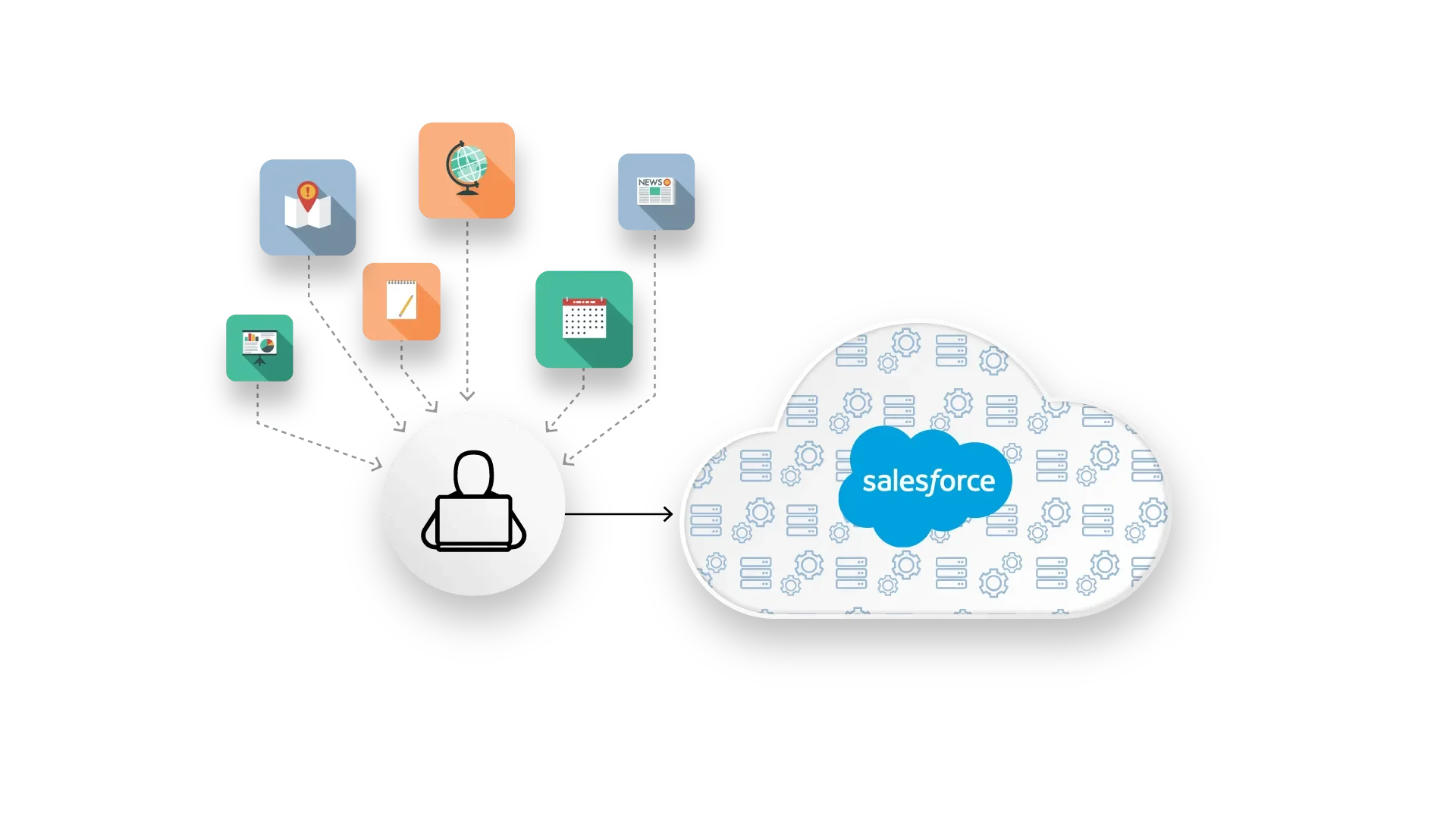
SaaS security would solve this issue by monitoring who uses apps and precisely how they’re being used. An SSPM can see which apps haven’t been used in a long time and remove them, modify, or remove access to users, unlike traditional cloud-focused security toolings such as Cloud Access Security Brokers (CASBs) and Secure Web Gateways (SWGs). Due to these SaaS-to-SaaS connections existing outside of the firewall, traditional security solutions can’t monitor these connections and understand the access rights they have. Since organizations often need customized solutions, an SSPM platform that manages custom-built apps is important to reduce the chances of data exposure.
Governance, Risk, and Compliance
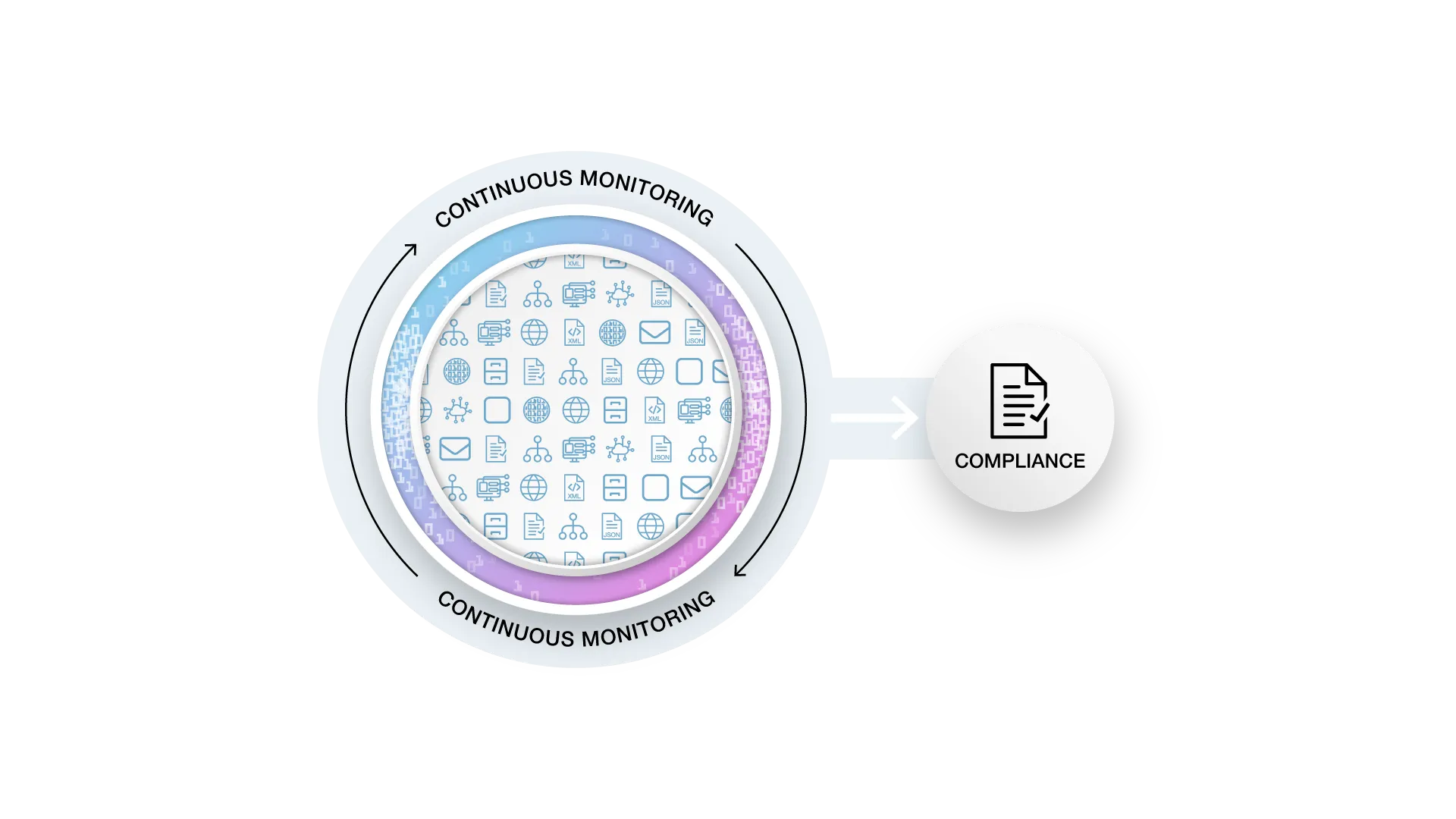
Strict governance and compliance rules protect sensitive data to ensure that it doesn’t land in the wrong hands. An SSPM tracks these changes and makes risk assessments to protect employee and customer data. A powerful SSPM solution can track due diligence and deliver compliance frameworks. This is important because it could be used in the finance sector to prove appropriate security configurations are in place to meet regulatory standards or to meet requirements for cyber liability insurance.
For example, companies should remain compliant with the Sarbanes-Oxley Act of 2002 (SOX). This legislation is intended to keep accounting departments compliant with reporting regulations and prevent fraud. SSPM should maintain consistent reporting to ensure companies stay SOX compliant.
CSPM and SSPM – A Powerful Partnership for Protecting Cloud and SaaS Apps
Cloud Security Posture Management (CSPM) manages and monitors the security posture of cloud services like Amazon Web Services (AWS) and Google Cloud. Cloud Access Security Brokers (CASBs) work alongside CSPM to provide security measures such as multi-factor authentication (MFA) and firewalls, making them important tools in fighting threats from attackers to the cloud.
However, CSPM doesn’t protect or monitor individual SaaS applications. While SaaS applications incorporate cloud-based technology, a CSPM is limited to data exclusively within the cloud’s overall infrastructure and can’t account for the risks associated with the makeup of individual SaaS applications. With the widespread increase in the adoption of SaaS services, organizations may consider using both CSPM and SSPM to bolster their security infrastructure and provide the ultimate defense.
If you continue to adopt SaaS apps, relying only on a CSPM solution without an SSPM to monitor your SaaS apps may increase your potential risk factor.
Risks of Not Having SSPM
SaaS misconfigurations are responsible for more than 99% of cloud security breaches. The consequences are dire and can range from damage to a brand’s reputation to significant financial losses. On average, a company could spend $4.35 million to recover from a data breach. But the fallout doesn’t end there. Productivity loss and penalties for non-compliance are all significant impacts of a data breach.
SaaS app functionality is intended to be agile and user-friendly. This ease and flexibility can mean a greater risk of data security gaps, especially when dozens of applications are being used across an organization. The more SaaS apps used that are left undetected increases the risk of security breaches. For example, significant Salesforce misconfigurations were identified in April 2023, exposing sensitive data such as Social Security numbers, names, and addresses from large organizations.
Cybercriminals can take advantage of the vulnerability this increase in risk provides. They can steal personal information, such as names, email addresses, and passwords. Depending on the apps’ functions, bad actors can also obtain product data, project management information, protected health information (PHI), financial operations data, and the like.
One of the biggest problems not having an SSPM solution presents is the lack of cohesion in a company’s SaaS stack. Using the native apps’ settings is an option, but that requires going into each app individually, much like managing different remotes with unique button configurations to manage a home entertainment system.
There are simply too many apps, not enough visibility, and very little time to manage them all securely. Without an SSPM solution, the workload of security teams’ would significantly increase as they grapple with managing complex SaaS apps, and can reduce their time spent on addressing other cybersecurity issues within their organization.
Beyond reducing time and effort for security teams, an SSPM solution offers several other benefits to enhance an organization’s SaaS security strategy.
Benefits of Using SSPM
SaaS apps like Salesforce and Microsoft 365 are vital to organizations and have revolutionized how companies create, store, and share data. Protecting that data is mission-critical to every organization. Having a comprehensive SaaS security solution like an SSPM means gaining control of a company’s lifeblood – its sensitive data, work, product, and employee communication, just to name a few critical pieces of tech infrastructure.
Instead of security teams moving from app to app and juggling the various settings and configurations in each one, an SSPM solution provides an in-depth overview of the entire SaaS estate, meaning an overview of the SaaS apps being used within the company. It’s like having all of the critical information in one command center, making it easier to monitor for threats from malware and multi-factor authentication compromise.
A proper SSPM platform can provide these services while maintaining minimal app access. When evaluating SSPM tools, look for one that connects to SaaS apps using an OAuth token to an app’s application program interface (API). An OAuth token gives specific and limited access by request to a server’s resources.
The right SSPM platform is a vital tool in a company’s security plan and provides intelligence on protecting an organization’s SaaS ecosystem using a risk-based approach to SaaS security. There is a single interface with continuous monitoring of potential breaches and guidance on staying secure and compliant. It provides visibility and shines a light on darkened areas of a company’s SaaS infrastructure.
To learn more about the importance of a SaaS Security Posture Management solution, contact us for a demo of our SaaS security software or get a complimentary risk assessment of your technology stack.
Related Content
The Need for Privileged Identity Management (PIM)
Learn how to ensure the bare minimum of privileged access is granted to the right people, at the right time, and for as long as that access is appropriate.
A Guide to SaaS Security Posture Management
In this guide, we’ll examine the unique security challenges associated with SaaS and the need for a new category of products to manage SaaS since it’s now part of…
The post A Guide to SaaS Security Posture Management appeared first on AppOmni.
*** This is a Security Bloggers Network syndicated blog from AppOmni feed authored by Chris Filart, Head of Brand Marketing @AppOmni. Read the original post at: https://appomni.com/what-is-saas-security-posture-management/
