

Good CEO / Bad CEO

We just hit a major milestone in the life of any start-up — and especially this one, MayaData. We’ve raised a lot of money and we’ve joined hands with a great investor in Insight and a great company that has earned a reputation for greatness in storage engineering and channel management and more in DataCore.
I’ve taken this opportunity to look in the mirror and to assess myself as we start the next stage of our growth towards achieving an audiacious vision — the largest I’ve ever chased in my career. It starts with turning Kubernetes itself into a data layer in order to improve data agility of teams while reducing cloud lock-in. I write much more about that over on the MayaData blog. https://blog.mayadata.io/openebs/mayadata-and-openebs-attract-investment-and-partnership
In this personal essay, I try to outline my thoughts on what makes a great start-up CEO by comparing the Good CEO to the Bad CEO. I would welcome your thoughts and feedback below and of course on Twitter or LinkedIn. If you might want to join us feel free to DM me on twitter or get in touch some other way.
The following owes a lot to the ever famous and far superior memo by Ben Horowitz about what makes a good product manager: https://a16z.com/2012/06/15/good-product-managerbad-product-manager/
The CEO is the person most completely accountable for the success of the company. Whereas everyone that works at the company can make excuses — even if they have a sense of ownership — that “the market moved against them” or “their team wasn’t strong enough” or there was “not enough funding” or of course that “the CEO was an idiot”, the CEO assumes responsibility for company success no matter what.
Some of this essay is most applicable to open source based companies that are growing their ability to serve the world’s top enterprises and service providers with software and services in the infrastructure space. That’s our status today in Q1 2020 at MayaData.
So here goes the good CEO vs. bad CEO….
The good CEO believes in people and means it and lives it. The bad CEO says they believe in people but under stress or otherwise does more admonishing than building and leading.
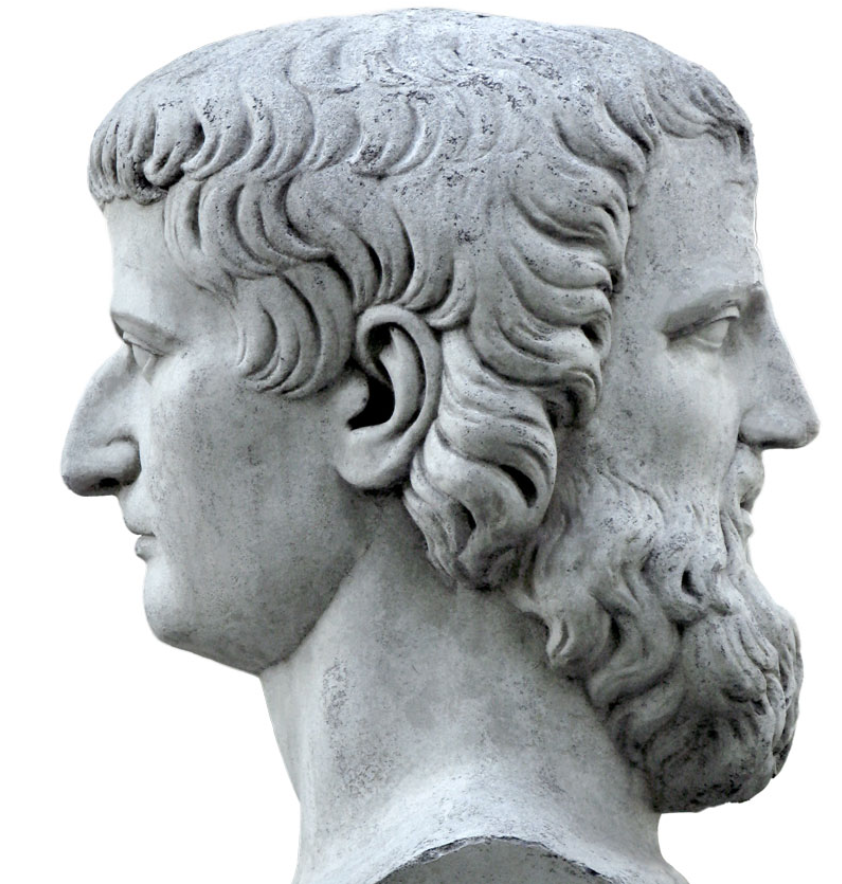
The good CEO is as transparent as possible. The bad CEO says he believes in transparency but then habitually fails to communicate openly. The bad CEO tells the company to be more open in Slack and otherwise and then mostly communicates in closed Slack channels.
The good CEO has true user empathy and they show it by visiting with the users in person and remotely. The good CEO has learned how to ask questions that put the users at ease and lead to insights while building trust. The bad CEO speaks more than listens and tells the users what they ought to be thinking.
The good CEO takes a stand on crucial issues such as focus, tactical plan, positioning and spending and is unflinching and relentless in expecting execution in accordance with those key tenants. The bad CEO mistakes conversations and meetings for consensus and does not follow up to ensure that the team is executing together, consistently, until it becomes a habit.
The bad CEO talks about “people first” and then does not take care of themselves and burns themselves out.
The good CEO recruits a strong board of directors and expects to be held accountable by them. The bad CEO seeks to hide any bad news or to deflect attention and wastes the time of the board by not focusing discussion on issues and opportunities.
The good CEO understands that saying NO is the only way to effectively execute. The bad CEO allows their enthusiasm too often to overcome their focus.
The good CEO balances focus with vision. The bad CEO thinks that building for an audacious goal like being the world’s first DB and cloud agnostic data layer is a distraction from fixing the product; the bad CEO gets so caught up in what the company can become that they don’t see what the company really is.
The good CEO sells investors on the vision and on a plan for achieving that vision; the bad CEO hopes that hype and hyperbole will result in an investor, and is happy to take uninformed money that gives the company resources and is unable to hold the management team accountable.
The good CEO knows that time is the ultimate enemy — the only one that always wins. Therefore the good CEO encourages decisions and improvements made today — even if imperfect — over actions that take weeks to decide upon. The good CEO knows the difference between irreversible decisions and other decisions that may appear to be irreversible but are not; for example a good CEO knows that investors and fundamental strategies are decisions that often cannot be reversed.
The bad CEO rushes decisions with a long lasting impact and discusses and debates endlessly decisions that can be corrected with little cost.
The good CEO knows that a corollary to the above is to hire slowly and fire quickly. A bad CEO thinks that a people first culture means that everyone that becomes a team member should be treated as an employee for life, even if they would do better at some other organization or occupation.
A good CEO is willing to pitch in everywhere. A bad CEO thinks that delegation means you are just a strategic thinker, not someone that gets stuff done.
A good CEO believes in data driven decisions.
A good CEO actively seeks ways to build metrics and other data into the business so that everyone can make the best decision possible based on that information. A bad CEO gives the impression that only the CEO can make decisions.
A good CEO understands that without founders of companies, relationships, countries, communities, works of art and so on the world would be a drab and dying place. A bad CEO blames founders for all the imperfections of the current manifestation of their dreams and promises to “professionalise the company.”
Thanks for reading. If you are into start-up culture and have some thoughts you’d like to share, one avenue would be to participate in building our culture at MayaData via our PLOW culture documents on GitHub. These owe a lot to our friends at GitLab however they are our own. And they are living documents. Don’t be shy — please do contribute or provide comments if you’d like to contribute to the work of building better organizations of people.
There is a lot below, including job listings, processes, our values pledge and more. Dig in!
https://github.com/mayadata-io/culture
*** This is a Security Bloggers Network syndicated blog from Stories by Evan Powell on Medium authored by Evan Powell. Read the original post at: https://medium.com/@epowell101/good-ceo-bad-ceo-2c5a2641bbfe?source=rss-36584a5b84a------2
