

The 2025 MSP Cyber Crisis: Breaking Free From Vendor Lock-In and Reclaiming Profitability

The global MSP ecosystem has entered its most challenging era.
As businesses accelerate cloud adoption, hybrid work, and continuous digital operations, MSPs have become essential security partners. Yet despite market growth, the sector is undergoing severe margin compression, operational overload, and unprecedented pressure from escalating threats.
Tool sprawl, rising licensing costs, and growing alert fatigue have pushed MSPs into a dangerous position.
With average tool stacks now reaching 76 security products and operating margins dropping to 15 to 25 percent, 2025 is exposing a critical truth:
Fragmented, multi-tool security strategies can no longer support MSP profitability, agility, or long-term resilience.
 Read the full whitepaper here:
https://info.seceon.com/breaking-free-from-vendor-lock-in#SecOT
The Reality: Fragmentation Is Now the MSP Industry’s Biggest Risk
MSPs today operate across increasingly complex environments:
- SIEM and log pipelines
- EDR and endpoint ecosystems
- Network detection tools
- Cloud and identity telemetry
- Compliance tools
- Client specific integrations
Despite this complexity, most MSPs still rely on dozens of disconnected tools. This creates massive operational inefficiencies, limited threat correlation, and thousands of noisy alerts every day.
The result is:
- Excessive false positives that drown analysts
- Blind spots across cloud, endpoint, network, and identity
- Slow incident investigation and triage
- Constant integration breakage
- Rising vendor dependency
- Declining profitability
Attackers exploit this fragmentation instantly.
A single misconfigured API, unmonitored identity event, or unpatched endpoint becomes an entry point for lateral movement within minutes.
To achieve real resilience, MSPs must shift from fragmented tools to a unified, AI-powered platform capable of real-time detection, automated response, and continuous compliance.
The Solution: A Unified AI Platform Built to End Vendor Lock In
The whitepaper highlights how AI native, fully unified security platforms are transforming the MSP business model by eliminating tool sprawl and centralizing visibility across all customer environments.
A unified AI platform enables MSPs to:
- Detect threats in real time instead of hours or days
- Cut false positives to less than 5 percent
- Consolidate 76 tools into one platform
- Automate compliance across multiple frameworks
- Reduce operational overhead and retraining
- Stabilize margins without long term contracts
Instead of juggling dozens of tools, MSPs are adopting single fabric security architectures capable of correlating billions of events, identifying behavioral anomalies, and executing autonomous response actions within seconds.
This shift is redefining how MSPs protect clients and scale profitably.
AI at the Core of MSP Cyber Defense
MSPs must secure a wide variety of environments:
- Cloud workloads
- Identity ecosystems
- Hybrid networks
- Endpoints
- Client specific SaaS tools
- Multi tenant data pipelines
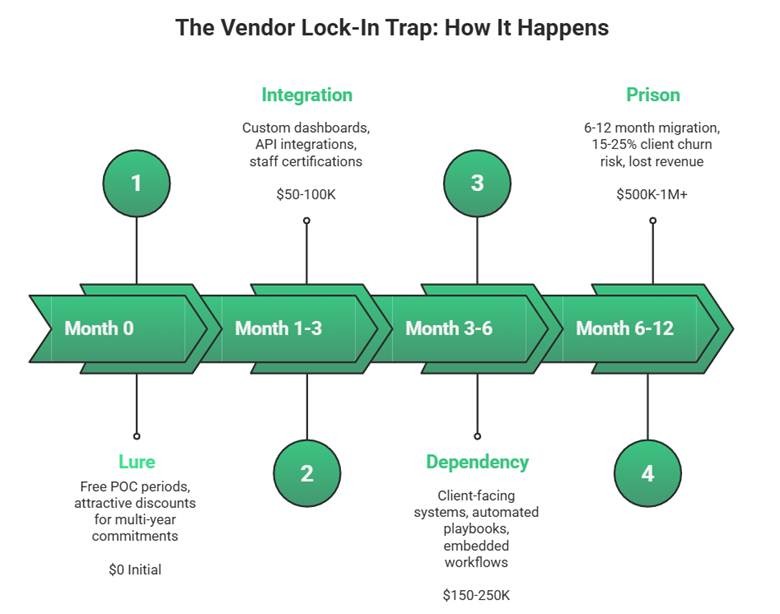
Legacy tools were never designed for this scale and diversity. Many require proprietary configurations, one off integrations, or long certification cycles, creating dependence and lock in.
The whitepaper emphasizes the role of AI driven platforms that extend visibility across every customer tenant and every security layer using:
- Behavioral analytics
- Correlation engines
- Threat intelligence
- Automated hunting
- Natural language investigation through SERA AI
By unifying event ingestion and analysis, MSPs can finally prevent attacks from spreading across tenants or exploiting siloed tools.
Compliance and Automation at MSP Scale
Compliance workloads have exploded with:
- PCI DSS v4.0
- CMMC 2.0
- SOC 2
- HIPAA
- GDPR updates
- Cyber insurance telemetry requirements
The whitepaper outlines how compliance now consumes 10 to 15 percent of billable MSP hours.
AI powered compliance frameworks such as Seceon aiCompliance CMX360 enable:
- Continuous monitoring
- Automated evidence collection
- Cross framework mapping
- Real time scoring
- Audit ready reporting in minutes
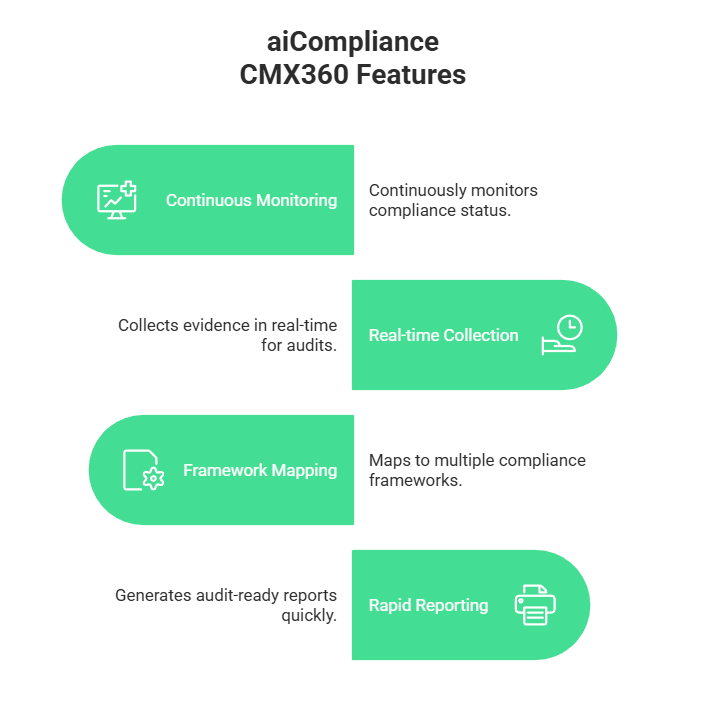
This reduces manual work, eliminates spreadsheet dependency, and strengthens security governance for every MSP client.
Measurable Impact for MSPs
MSPs shifting to unified AI defense models report dramatic improvements in cost, detection speed, and analyst productivity.
Quantified Impact and Outcomes
| Metric | Before Unified AI Defense | After Unified AI Defense | Improvement |
| Detection Time | Hours to days | Real time minutes | 90 to 99 percent faster |
| Response Time | Hours to days | Seconds to minutes | Up to 98 percent faster |
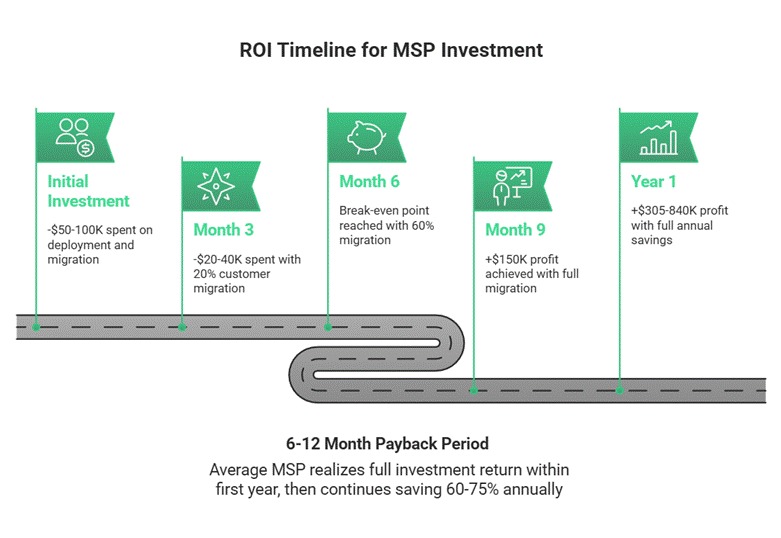
| Tool Cost | High multi vendor spend | Consolidated | 60 to 75 percent savings |
| Analyst Overhead | Constant tool switching | Streamlined workflows | Major reduction |
MSPs also report:
- Significant drop in false positives
- Reduced churn related to platform changes
- Improved compliance delivery
- Higher gross margins
- Faster onboarding of new clients
Case Examples: What Real MSP Failures Reveal
The whitepaper highlights real world scenarios where MSPs suffered operational and financial damage due to fragmentation:
- Unmonitored integrations acting as intrusion points
- Siloed tools preventing correlation
- Proprietary APIs blocking migration efforts
- Multi year contracts limiting flexibility
- False positives masking real incidents
- Expensive exit fees preventing modernization
In each case, unified AI powered architecture would have detected the threat earlier, automated containment, and protected the MSP’s margins.
These lessons are reshaping the MSP landscape in 2025 and beyond.
From Fragmented Defense to MSP Cyber Resilience
With rising threat sophistication and tighter compliance demands, MSPs are moving rapidly toward:
- Unified security platforms
- Predictive AI analytics
- Automated response
- Multi-tenant visibility
- Lower operational overhead
- Faster deployment cycles
- Flexible consumption pricing
The outcome is transformational:
- Higher profitability
- Better client security outcomes
- Lower noise and workload
- Elimination of vendor lock-in
- Scalable and predictable operations
This evolution is not just a technology shift; it is a business survival imperative.
Conclusion: MSPs Stand at a Defining Crossroads
The 2025 Vendor Lock-In Crisis makes one thing clear:
Fragmented tools cannot support the future of managed security.
Unified, AI-driven platforms enable MSPs to:
- Reduce operational risk
- Strengthen detection and response
- Eliminate multi-year vendor contracts
- Improve margins and scalability
- Deliver superior security outcomes without complexity
MSPs now face a decisive moment, one that will define their business model for the next decade.

The post The 2025 MSP Cyber Crisis: Breaking Free From Vendor Lock-In and Reclaiming Profitability appeared first on Seceon Inc.
*** This is a Security Bloggers Network syndicated blog from Seceon Inc authored by Aditya Kumar. Read the original post at: https://seceon.com/the-2025-msp-cyber-crisis-breaking-free-from-vendor-lock-in-and-reclaiming-profitability/
