

AI-Enabled Fraud Detection in Passwordless Login Flows

Account logins through passwordless methods, such as face scanning, passkeys, and fingerprints, are becoming popular. These methods save sign-in time and offer stricter online security. Hackers and scammers seek to crack security flaws in these systems and steal data.
AI has become an important solution for preventing illegal access across systems. It detects fraud and suspicious logins by recognizing device location. AI passwordless solutions detect typing speed and user behavior. AI-powered authentication platforms improve business security through smart methods.
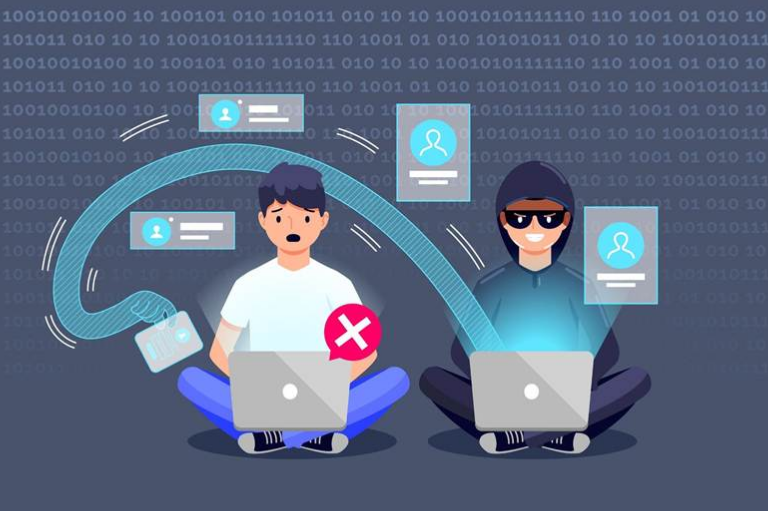
Image Credit:Freepik
Why do you need passwordless authentication solutions for fraud detection?
Based on research, 32% of account users globally forget passwords every 24 hours. Due to forgetfulness,15% of users change their logins every week. This problem will not end soon because it affects more people daily. Further statistics show that 46% of people in the US experienced password theft. An increase in password theft increases fraud issues. This trend is increasing daily, leading to a stronger need for passwordless solutions.
Several tech companies are leading in providing passwordless authentication solutions. Passwordless authentication from Google stands out in this new technological shift and other tech giants including Microsoft and Apple are following it. The shift is coming from the alliance these companies have with FIDO (Fast Identity Online), which is an open industry association working towards a safer digital environment by ensuring safer passwords to log in.
Passwordless authentication, combined with making cybersecurity knowledge accessible to everyday users through trusted sources like Moonlock, is certainly the way forward if mass adoption of passwordless logins is to be promoted. More companies like Amazon, PayPal, and Samsung are moving in that direction while keeping general user requirements at the forefront.
What are passwordless solutions about?
Passwordless authentication solutions are authentication methods beyond traditional ways. Traditionally, you must create unique login information for each account. The new method eliminates this and welcomes simpler but harder-to-hack methods. These include methods such as:
● Biometrics that include scanning of the iris, facial patterns, and fingerprints.
● Passkeys that could be automatically generated and stored in a passkey system.
● OTP codes are generated by systems and sent to users through email or SMS.
● Hardware authentication, such as proving you own a phone or computer. You might be required to tap a magic link, input tokens on your device.
At what point do hackers attack your accounts?
Attackers hack your accounts at diverse points during online interactions. Your passwords can be hacked when opening a new account. Your logins can be stolen when recovering lost or forgotten credentials. You could be creating an account or recovering one on scam, malware, or phishing platforms.
Online criminals also use methods like connecting their device to your device. This allows them to search your files and steal login information. Some cybercriminals hijack your online sessions if there is an IP anomaly. Others trick you into installing malicious cookies into your system.
Another common password theft method is social engineering. This method manipulates you, ensuring you willingly share your secret words. Your logins could be hacked at any time when your online health is vulnerable. This often leads to fraud.
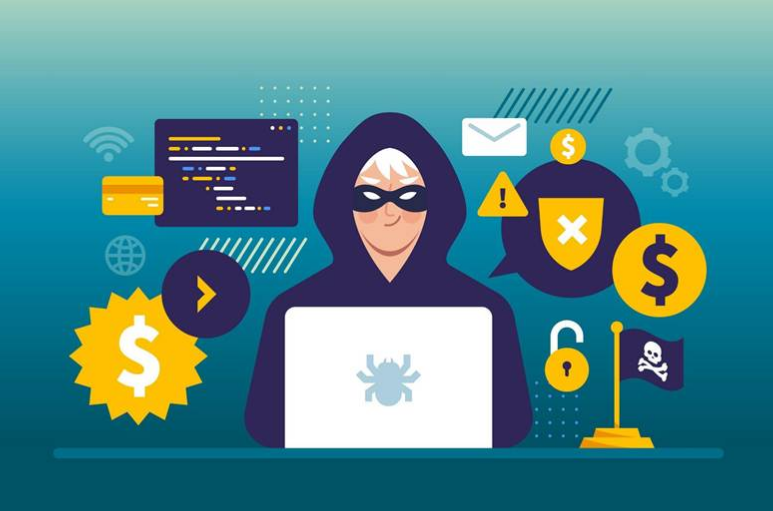
Image Credit:Freepik
How do AI authentication platforms help?
AI is a dynamic technology able to learn different systems and user behaviors. This adaptive feature allows it to detect anomalies based on risk levels. You can train AI authentication platforms to know your fingerprints, location, or behavior. It personalizes your device and biometrics. This allows the platform to offer the following passwordless authentication solutions:
● Understand your historical use patterns like login times and hours spent online. It keeps records of the apps you often use and how often you change them.
● Keep a record of your location, such as country, district, state, etc. AI detects it as suspicious when you suddenly change location.
● Save your biometrics, allowing you to use them for authentication.
● Record your behavior, such as mouse paths and typing speed. It records your key or screen touch pressure. Different behavior could indicate a hacking attempt.
● AI saves device use history. Anyone logging in from a different device is locked out.
How to set up security-enhanced passwordless solutions
Search and compare several passwordless authentication solutions. You may seek recommendations from online communities, colleagues, or friends. Benchmark platforms like NIST SP 800-63 offer guidance on testing platform quality. Test the platform’s authentication assurance level and identity proofing.
Next, test how adaptive the solution is. Subject it to different testing scenarios to prove its reliability. You may fake a new device binding, remote location connection, or money transaction. Verify devices, emails, or documents to record their AI risk scoring capability.
Your authentication solutions should detect false positives and changes in traffic levels. It should effectively achieve login recovery and be resistant to phishing. Once you identify a strong passwordless solution, activate it on your accounts. Ensure it contains different features like biometrics, passkeys, magic links, and hardware keys.
Set up your account security settings depending on the services you are using. These may include Apple, Microsoft, or Google fraud detection services. Set up your login keys, ensuring you register them on your current device. Activate your AI-powered authentication solutions.
Secure your device by updating your operating system, apps, and installing an antivirus. Use biometrics to lock your devices and allow AI to monitor online activities 24/7. Ensure your users understand how the system works. Allow AI to experiment and scan the system to improve online security.
Protection measures that passwordless solutions can offer
Passwordless authentication solutions ensure your accounts stay secure. These solutions keep track of risk levels and take different protection measures. These measures are based on user activity, network behavior, and device reputation. AI authentication platforms respond in real time if they detect anomalies.
One of the measures is blocking login sessions. This stops hackers from completing risky login attempts that could adversely compromise accounts. The user is not allowed to log in until they verify their identity. AI may request one or more verification methods.
Another measure is asking users to key in a different authentication method. AI may not block or quarantine the user in this method. This option is used when AI detects phishing or malware attempts to steal passwords. In some instances, the virus may succeed in compromising one part of the authentication method.
In such a scenario, AI asks the user to verify through biometrics or hardware keys. Their goal is to ensure phishing malware fails on the second attempt. The risk level might still be available or higher on a targeted account. In this case, authentication solutions may request a change of passwords.
The system requires a user to create a different but stronger password for specific accounts. This request can be made if AI detects remote device binding. Some passwordless solutions use machine learning to analyze tens of millions of login attempts.
These authentication platforms study patterns, allowing them to adapt fast based on behavior. Biometrics, typing speed, or body movements of a particular user may change. Attackers may also change behavior and methods from time to time.
Machine learning detection systems create a smooth balance, ensuring users are not over-interrupted. At the same time, the system blocks attackers, ensuring they do not access accounts. This limits damage and prevents account takeover by malicious people and programs.
Is there a future for passwordless authentication solutions?
Passwordless solutions have a future in modern cybersecurity. Traditional passwords have proved to be weak, leading to easy data breaches. Millions of users reuse passwords, making it easier for hackers to guess them. These login solutions cannot be relied upon, and users must adopt new methods.
Authentication platforms are moving towards passkeys and biometrics. These methods provide safer and easier login solutions. Many governments across the globe have shown support for these new systems. Research shows that AI fraud detection easily detects suspicious behavior.
Millions of companies and individuals are adopting these new methods. The trend is unstoppable, and technology is leading to refined innovations. Passwordless solutions are the future of fraud detection and prevention.
Conclusion – What's next for AI passwordless login and fraud detection?
Combining AI-powered fraud detection with passwordless login improves account security. Sign-in methods like biometrics and passkeys offer convenience. AI uses different algorithms to detect suspicious activities on platforms. It blocks login attempts, demands a password change, or additional authentication. This combination prevents device pairing, account takeovers, and data losses. The system resists hackers while making it easier for users to log in and use accounts.
*** This is a Security Bloggers Network syndicated blog from MojoAuth - Advanced Authentication & Identity Solutions authored by MojoAuth - Advanced Authentication & Identity Solutions. Read the original post at: https://mojoauth.com/blog/ai-enabled-fraud-detection-in-passwordless-login-flows
